

An angel syndicate is a group of investors who pool capital to invest in startups—typically led by an experienced deal lead. Syndicates make startup investing more accessible, allowing individuals to invest smaller amounts while benefiting from shared diligence and deal flow. This guide explains how angel syndicates work, their structure, the benefits and risks involved, and how you can join or start one yourself.
KEY TAKEAWAYS
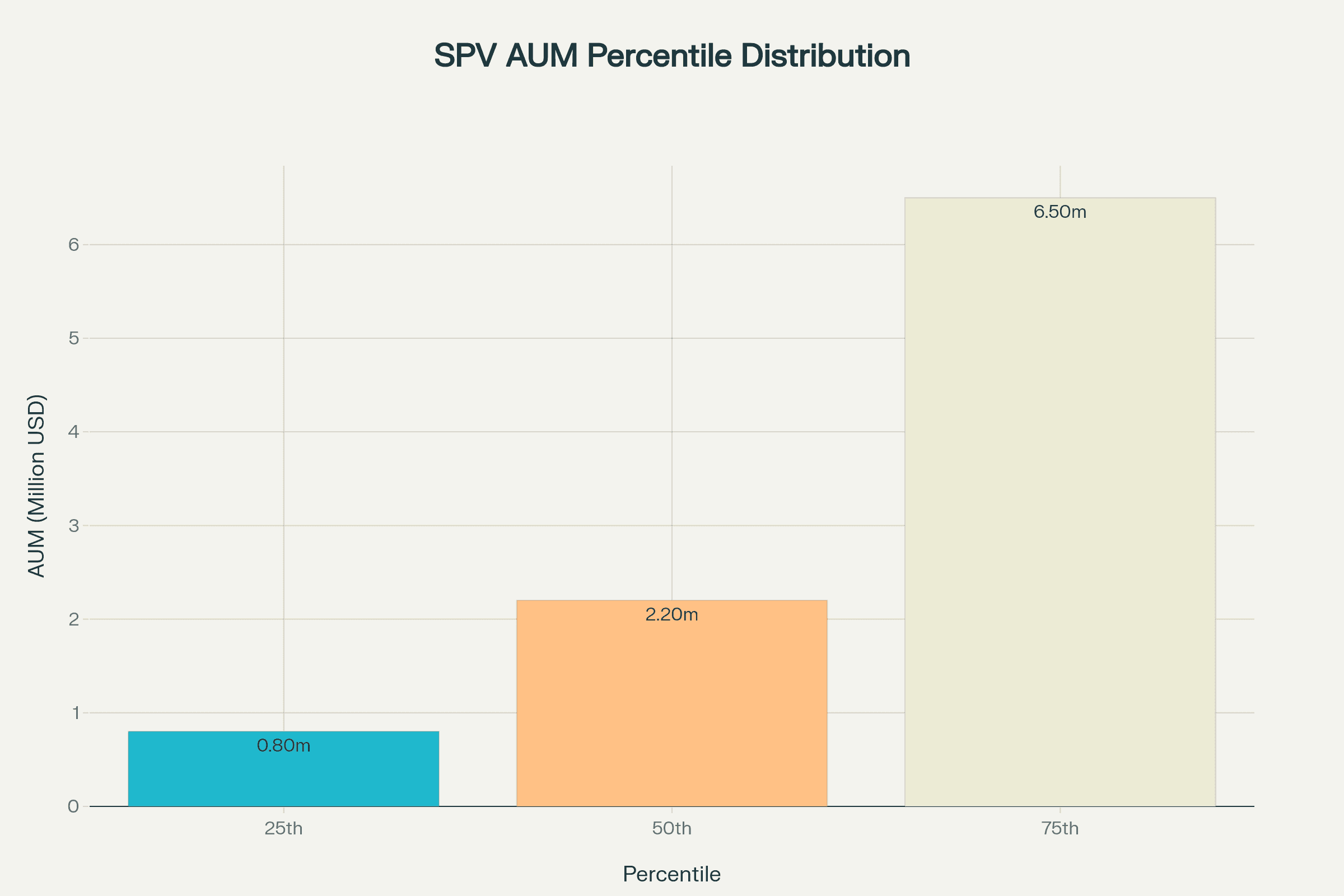
- Angel syndicates pool accredited investor capital through SPVs, enabling participation in deals ranging from $250,000 to $2 million with individual investments as low as $1,000
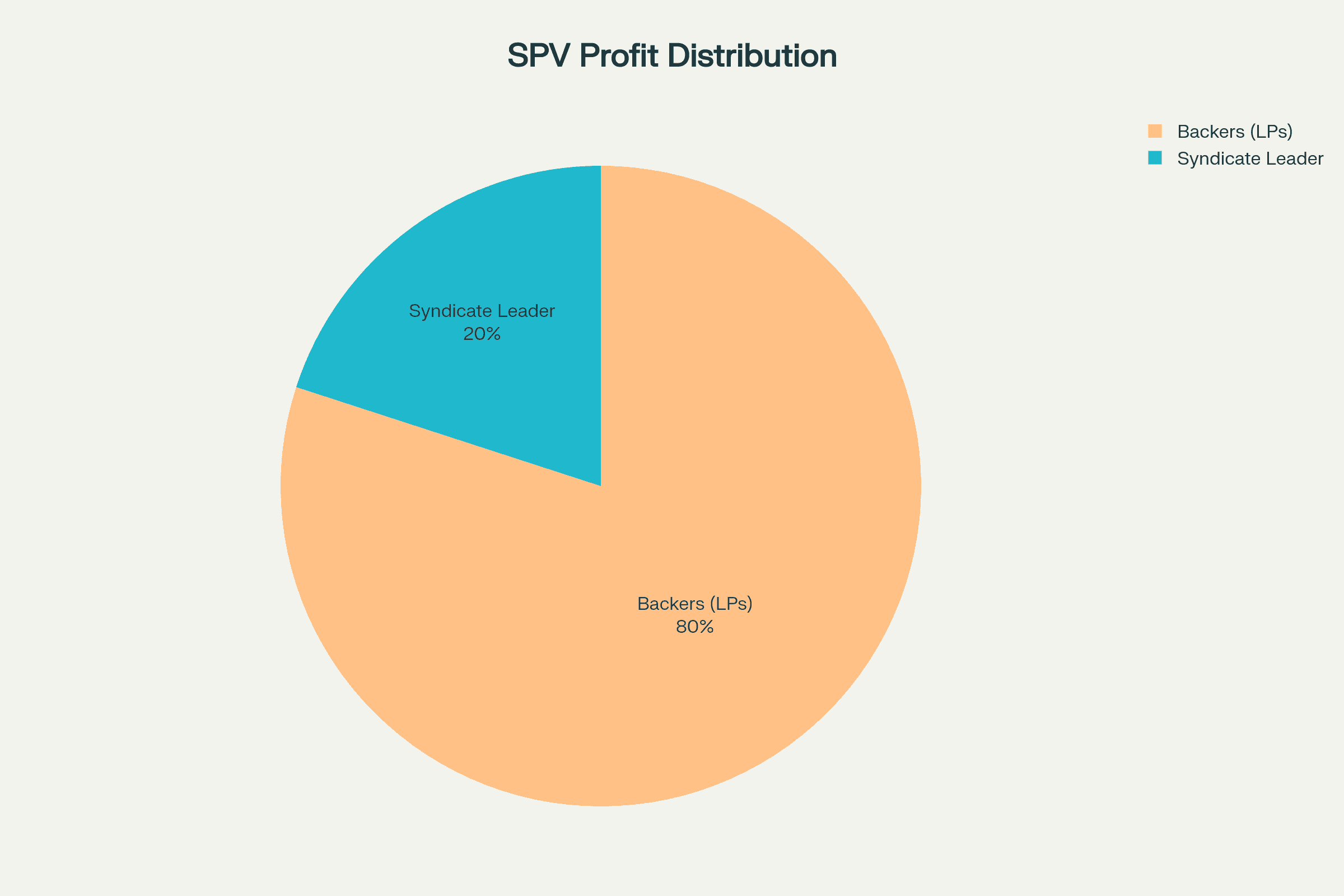
- Lead investors source and evaluate deals, earning 10-20% carried interest on profits while investing their own capital alongside syndicate members
- Deal-by-deal participation offers complete investment flexibility—members choose which opportunities to back with no obligation to invest in every deal
- SPV structure consolidates all investors into one cap table entry, streamlining legal processes and reducing administrative burden for startups
- Syndicates charge minimal fees compared to traditional funds, typically just administrative costs ($8,000 per SPV on AngelList) with no management fees
What Is an Angel Syndicate?
An angel syndicate represents a structured approach to early-stage investing where accredited investors collaborate to fund promising startups through Special Purpose Vehicles (SPVs). Unlike traditional angel investing where individuals make independent decisions, syndicates operate under a coordinated framework with designated leadership and shared investment terms.
The syndicate model emerged as a solution to several challenges in angel investing. Individual angels often lack sufficient capital to meet startup funding needs or achieve proper portfolio diversification. Syndicates address these limitations by aggregating smaller investments into meaningful funding rounds while distributing risk across multiple participants. This structure democratizes access to high-growth opportunities by enabling individuals to participate in rounds they could not fund alone.
Core Components of Angel Syndicates
Lead Investor Model The lead investor serves as the syndicate's anchor, responsible for sourcing deals, negotiating terms, and performing in-depth due diligence on behalf of the group. Lead angels typically commit personal capital (often $10,000-$50,000) and secure additional allocation from startups. In return for their efforts, leads earn carried interest—commonly 10-20% of the syndicate's profits from successful exits. Unlike traditional funds, syndicates generally charge zero or minimal management fees, offering cost-efficient access to venture-style returns.
Deal-by-Deal Participation A defining characteristic of angel syndicates is the flexibility they offer investors. Members choose which opportunities to back, with no obligation to invest in every deal presented by the syndicate lead. This opt-in model affords investors complete control over their portfolios and enables customized risk diversification strategies.

Special Purpose Vehicles (SPVs) Most syndicates utilize SPVs—legal entities (often Delaware LLCs) created specifically for each investment. This structure consolidates all syndicate members' investments into one line on the startup's cap table, significantly simplifying administrative and legal processes for founders. The SPV aggregates capital from all participating investors and executes a single investment in the target company.
Operational Mechanics
Due Diligence Process Lead investors conduct comprehensive due diligence before presenting opportunities to syndicate members. This process typically includes:
- Market opportunity validation and competitive analysis
- Financial modeling and unit economics evaluation
- Technical due diligence and IP assessment
- Customer reference checks and product validation
- Legal structure review and risk assessment
All participants are encouraged to conduct their own supplementary diligence, though the lead's analysis provides the foundation for investment decisions.
Post-Investment Engagement Lead investors maintain ongoing relationships with portfolio companies, often taking board observer seats or advisory roles. They provide regular updates to syndicate members on:
- Quarterly performance metrics and milestone achievement
- Follow-on funding opportunities with pro-rata rights
- Strategic developments and pivot decisions
- Exit opportunities and liquidity events
This active management ensures syndicate members stay informed while minimizing direct demands on founders' time.
How Angel Syndicates Operate
The operational framework of angel syndicates follows a structured process designed to balance efficiency with thorough investment evaluation.
Deal Sourcing and Allocation
Lead investors leverage their networks and reputation to secure allocations in startup funding rounds. The process typically follows these steps:
Deal Origination The syndicate leader identifies promising startups through various channels and negotiates terms with founders. Successful leads cultivate strong reputations that attract premium deal flow, often securing allocations in competitive rounds that individual angels cannot access.
Allocation Commitment Once terms are negotiated, the leader commits personal capital and secures additional allocation from the startup. For example, a lead might invest $10,000 personally while securing $150,000 in additional allocation for syndicate members.
Deal Marketing The leader circulates confidential investment materials to syndicate members, including:
- Term sheets and valuation details
- Cap table structure
- Business plans and financial projections
- Due diligence findings and investment thesis
- Risk assessments and mitigation strategies
Investment Execution Process
Opt-In Period Syndicate members typically have 7-14 days to review materials and decide whether to participate. Investors choose their ticket size based on personal risk tolerance and portfolio strategy, with minimums often ranging from $1,000 to $25,000 depending on the platform and deal.
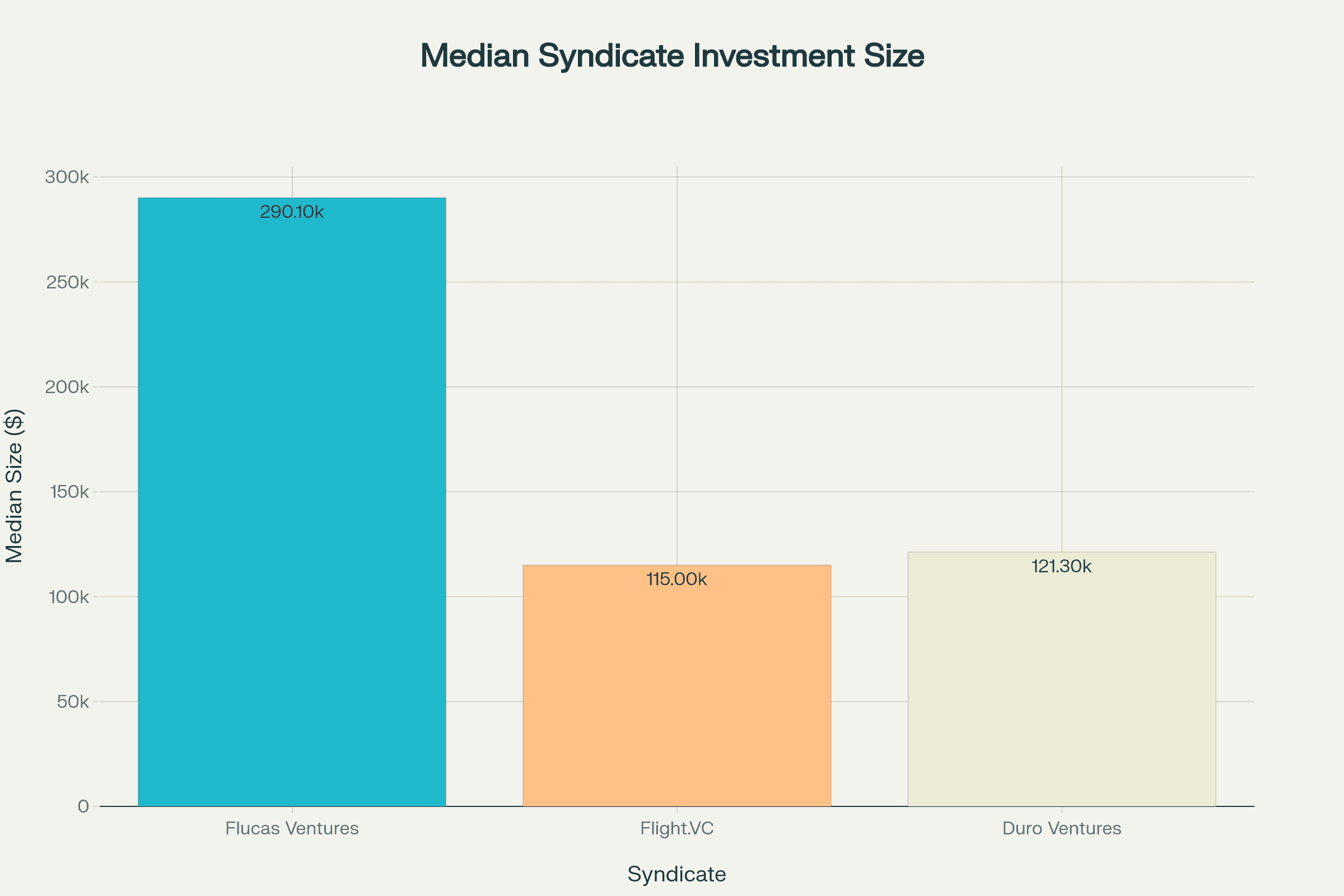
SPV Formation and Fund Collection Once sufficient interest materializes, the syndicate establishes an SPV for the specific investment. Funds are collected into escrow accounts, and electronic signatures are gathered for all legal documentation. Platforms like AngelList typically charge fixed administrative fees (approximately $8,000 per SPV) to handle the legal and operational infrastructure.
Investment Closing The SPV aggregates all member investments and executes a single wire transfer to the startup. This streamlined process can close within 2-4 weeks from initial deal announcement, significantly faster than traditional angel rounds requiring individual negotiations.
Governance and Economic Structure
Investor Participation Limits Individual syndicate deals are typically capped at 99 accredited investors to maintain regulatory compliance and operational efficiency. This limitation ensures manageable communication and decision-making processes while preserving the benefits of collective investment.
Aligned Economic Incentives Every syndicate member invests alongside the lead on identical terms, sharing both upside potential and downside risk equally. This alignment ensures that lead investors are motivated to source high-quality deals and support portfolio companies through their growth journey.
Carried Interest Economics The standard carried interest model compensates lead investors with 10-20% of profits above the initial investment. This performance-based compensation aligns with industry norms and incentivizes thorough due diligence and active portfolio support. Importantly, carry is only earned on successful exits, ensuring leads share the risk with their syndicate members.
Benefits of Angel Syndicates
Angel syndicates create value for all stakeholders through aligned incentives and operational efficiency.
For Individual Investors
Democratized Access to Premium Deals Syndicates enable accredited investors to access high-quality startups previously reserved for well-connected angels or institutional investors. By pooling resources, members can participate in competitive rounds with ticket sizes as small as $1,000-$5,000, compared to typical direct angel minimums of $25,000-$100,000.
Leveraged Expertise Without Time Commitment Members benefit from the lead investor's due diligence, negotiation skills, and ongoing portfolio management without dedicating significant personal time. This passive approach suits busy professionals who want startup exposure while maintaining their primary careers.
Cost-Efficient Investment Structure Unlike traditional venture funds charging 2% annual management fees plus 20% carry, syndicates typically charge only administrative fees (such as AngelList's $8,000 SPV setup cost) plus the lead's carry. This fee structure can result in significantly higher net returns for investors over the typical 5-10 year holding period.
Portfolio Diversification at Lower Capital Requirements The ability to invest smaller amounts per deal enables proper portfolio construction. Experienced angels recommend 20-30 investments for adequate diversification—achievable with $100,000-$300,000 through syndicates versus $500,000-$3,000,000 for direct investing.
For Lead Investors
Scalable Investment Capacity Syndicates enable leads to build substantial portfolios beyond personal capital constraints. A lead with $100,000 to invest annually can potentially deploy $1-2 million by syndicating deals, increasing both diversification and potential returns.
Performance-Based Compensation Carried interest of 10-20% on successful exits creates significant wealth-building potential. A single successful exit returning 10x on a $500,000 syndicated investment could generate $80,000-$160,000 in carry for the lead investor.
Ecosystem Positioning Leading successful syndicates establishes credibility within the startup ecosystem, attracting better deal flow and creating opportunities for co-investment with prominent VCs and other syndicate leaders.
For Startups
Streamlined Capital Raising SPVs consolidate multiple investors into a single cap table entry, dramatically reducing legal complexity and ongoing investor relations burden. This efficiency can save startups thousands in legal fees and hundreds of hours in administrative time.
Faster Funding Decisions Well-run syndicates can commit capital within 2-4 weeks, compared to traditional angel rounds that may take 2-3 months of individual negotiations. This speed provides crucial runway for early-stage companies.
Value-Added Investor Network While maintaining a clean cap table, startups gain access to the collective expertise, connections, and potential customer relationships of all syndicate members. Lead investors often facilitate these connections without overwhelming founders with too many direct relationships.
Risks and Considerations
Despite their advantages, angel syndicates present several risks requiring careful consideration.
Investment Risks
Startup Failure Rates Historical data indicates that 50-70% of angel investments result in total loss of capital. Syndicate participation doesn't eliminate this fundamental risk of early-stage investing.
Liquidity Constraints Angel investments typically require 5-10 year holding periods before exit opportunities materialize. Investors should consider syndicate investments as illiquid commitments requiring patient capital.
Limited Control Syndicate members delegate investment decisions and portfolio management to lead investors. This passive structure may frustrate investors accustomed to direct involvement in their investments.
Structural Considerations
Fee Structures Syndicates involve multiple fee layers including platform fees, SPV management costs, and carried interest to lead investors. These expenses reduce net returns compared to direct investments.
Information Asymmetry Despite due diligence efforts, lead investors may possess information advantages over syndicate members. This dynamic requires trust in the lead's integrity and alignment of interests.
Regulatory Requirements Angel syndicate participation requires accredited investor status in most jurisdictions. These regulations limit participation to high-net-worth individuals and may exclude interested but non-qualifying investors.
Creating and Joining Angel Syndicates
The process of establishing or participating in angel syndicates varies based on approach and platform choice.
Starting an Angel Syndicate
Prerequisites for Lead Investors
- Demonstrated investment track record with successful exits
- Strong network within the startup ecosystem
- Capital for meaningful lead investments ($25,000+ per deal)
- Time commitment for due diligence and portfolio management
- Regulatory compliance and legal structure setup
Building Syndicate Membership Successful syndicates attract members through consistent deal quality and transparent communication. Lead investors cultivate their reputation through thought leadership, portfolio success, and member satisfaction.
Joining Existing Syndicates
Platform Selection Major syndicate platforms include:
- AngelList: Largest platform with diverse deal flow
- Republic: Focus on smaller check sizes and retail investors
- SeedInvest: Curated deals with extensive due diligence
- FundersClub: Online venture capital model
- Regional angel groups: Local networks with geographic focus
Evaluation Criteria When selecting syndicates, consider:
- Lead investor track record and expertise
- Investment thesis and sector focus
- Fee structure and terms
- Communication frequency and quality
- Historical portfolio performance
Best Practices for Syndicate Participants
Portfolio Construction Experienced angels recommend investing in 20-30 companies to achieve appropriate diversification. This portfolio approach increases probability of capturing outsized returns from successful investments.
Due Diligence Supplementation While relying on lead investor analysis, members should conduct independent research on markets, competitors, and founding teams. This supplementary diligence enhances investment decision quality.
Network Engagement Active participation in syndicate communities provides learning opportunities and potential deal flow. Many successful angels transition from syndicate members to lead investors through network development.
Angel Syndicates vs. Other Investment Models
Understanding how angel syndicates compare to alternative investment structures helps investors select appropriate vehicles for their objectives.
Direct Angel Investing
Direct angels maintain complete control over investment decisions but require larger capital commitments and extensive due diligence capabilities. This approach suits experienced investors with significant time and resources.
Venture Capital Funds
VC funds provide professional management and institutional resources but typically require $250,000+ commitments and offer limited transparency into specific investments. Syndicates offer more flexibility and deal-by-deal decision making.
Equity Crowdfunding
Crowdfunding platforms enable smaller investments (often $100+) but generally feature less sophisticated investors and limited due diligence. Angel syndicates occupy a middle ground with professional leadership and accredited investor participation.
Micro VCs
Micro VCs operate similarly to syndicates but with committed fund structures and full-time management. These funds offer more consistent deal flow but less flexibility than deal-by-deal syndicate models.
Future of Angel Syndicates
The angel syndicate model continues evolving with technological advancement and regulatory changes.
Technology Integration
Artificial intelligence and machine learning tools increasingly support deal sourcing and due diligence processes. These technologies may democratize access to quality investments while reducing operational costs.
Regulatory Evolution
Proposed regulations in various jurisdictions aim to expand accredited investor definitions and enable broader participation in private markets. These changes could significantly increase syndicate membership pools.
Sector Specialization
Emerging syndicates focus on specific sectors like climate tech, healthcare, or Web3, providing deeper expertise and targeted deal flow. This specialization trend mirrors broader venture capital market evolution.
Global Expansion
Cross-border syndicate platforms enable international investment opportunities previously inaccessible to individual angels. This globalization increases portfolio diversification options while introducing currency and regulatory complexities.
Common Questions About Angel Syndicate
How do angel syndicates differ from traditional venture capital funds? Angel syndicates operate on a deal-by-deal basis with no management fees and optional participation, while VC funds pool committed capital, charge 2% annual management fees, and require multi-year capital commitments. Syndicates offer more flexibility and lower costs but less consistent deal flow than traditional funds.
What are the typical carry structures for international angel syndicates? While US syndicates commonly charge 20% carried interest, international structures vary by region. European syndicates often use 15-20% carry, while emerging markets may see 25-30% to compensate for higher risk and less developed exit markets.
Can angel syndicate members negotiate separate terms with startups? No, all syndicate members invest on identical terms through the SPV structure. This standardization is fundamental to the syndicate model, ensuring aligned interests and simplified legal processes. Members cannot negotiate side letters or preferential terms.
What happens to angel syndicate investments during down rounds or restructurings? Syndicate investments typically participate pro-rata in down rounds if they have negotiated such rights. During restructurings, the SPV structure means all members are affected equally, with the lead investor representing collective interests in negotiations.
How do angel syndicates handle international investments and currency considerations? Most syndicates invest in their local currency to avoid exchange rate complexity. For cross-border deals, SPVs may use currency hedging or simply accept exchange rate risk. Some platforms like AngelList support multi-currency investments but charge additional fees for currency conversion.
Conclusion
Angel syndicates represent a powerful evolution in early-stage investing, democratizing access to startup investments while maintaining professional oversight and aligned economic incentives. By pooling capital through SPVs and leveraging experienced lead investors, syndicates enable individual accredited investors to build diversified portfolios with lower capital requirements and reduced operational burden.
The syndicate model's success stems from its elegant alignment of interests—lead investors earn carry only on successful outcomes, members benefit from professional deal sourcing without management fees, and startups receive streamlined funding with simplified cap tables. As the model continues evolving with technological advancement and potential regulatory reforms, angel syndicates will likely play an increasingly important role in bridging the gap between individual investors and institutional venture capital.
For investors considering syndicate participation, success requires careful evaluation of lead investors' track records, appropriate portfolio diversification across 20-30 investments, and realistic expectations about the inherent risks of early-stage investing. Whether you're an experienced angel looking to expand your reach or a newly accredited investor seeking exposure to startup investing, angel syndicates offer a compelling framework for participating in the innovation economy while managing risk through collective intelligence and shared resources.